
Key Takeaway:
How Art Therapy Transforms Addiction Recovery
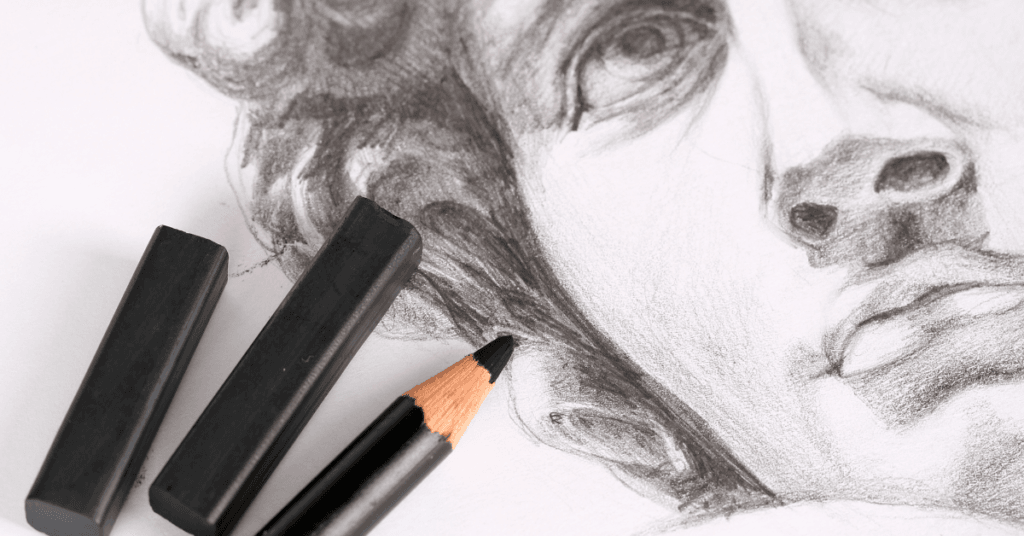
When traditional talk therapy feels inadequate, creative expression offers a transformative alternative. Crest View Recovery Center details how structured art therapy programs bypass verbal barriers to facilitate deep emotional rehabilitation:
Accessing the Subconscious: Addiction is frequently intertwined with deeply hidden trauma and unprocessed shame. Painting, drawing, or sculpting engages non-verbal areas of the brain, allowing clients to safely process traumatic memories without the risk of verbal retraumatization.
Somatic and Neurochemical Stabilization: The physical act of creating art naturally activates the brain’s reward system, releasing dopamine to safely replace substance-seeking behavior. Clinical research demonstrates that art therapy substantially lowers toxic cortisol levels and blood pressure.
Dual Diagnosis Accessibility: Art therapy requires zero previous artistic skill. The process effectively targets co-occurring mental health disorders, helping clients dismantle destructive emotional triggers, lower annual relapse rates, and build supportive peer connections during group studio sessions.
When traditional talk therapy feels inadequate, art therapy offers a transformative alternative. At Crest View Recovery Center in Asheville, North Carolina, our art therapy program has become one of the most powerful tools for helping individuals heal from substance use disorders and discover new pathways to lasting recovery. Art therapy programs can sometimes be overlooked, but they provide an amazing way to express your emotions before you may feel comfortable speaking them aloud.
What Are Art Therapy Programs?
Art therapy programs offer an expressive therapy that uses the creative process of making art to improve physical, mental, and emotional well-being. Unlike traditional art classes focused on technique, art therapy is a therapeutic modality guided by licensed professionals who understand both artistic processes and psychological healing. Studies show that participants explore emotions, confront past traumas, and gain new perspectives in ways that words alone cannot convey.
Art therapy programs consist of three essential components: the client engaging in creative expression, the art process itself, and the licensed therapist guiding the journey. This triad creates a safe, non-judgmental space where healing occurs organically through creative expression.
Why Art Therapy Works for Addiction Recovery
Addiction is complex, often rooted in trauma, unprocessed emotions, and deeply held shame. Many individuals struggling with substance use disorders have difficulty articulating their feelings or may not be consciously aware of the emotions driving their addictive behaviors. Art therapy bypasses these verbal barriers, accessing deeper layers of consciousness.
The creative process engages different parts of the brain than verbal communication. When you paint, draw, or sculpt, you access subconscious material that might remain hidden during traditional talk therapy. Colors, shapes, and symbols emerge that represent feelings you couldn’t express with words.
For individuals with trauma histories, art therapy provides a bridge to traumatic memories, allowing processing and integration without requiring detailed verbal recounting that can be retraumatizing. Creating art also activates the brain’s reward system, releasing dopamine in a natural, healthy way. Research shows that art therapy programs can significantly reduce cortisol levels, lower blood pressure, and improve emotional regulation, all critical factors in preventing relapse.
Types of Art Therapy Programs at Crest View Recovery
Our art therapy program offers diverse modalities to meet individual needs. No artistic skill or experience is required.
The Art Therapy Process at Crest View Recovery
Your licensed art therapist will guide you through a personalized journey. It begins with an initial assessment where you discuss your history, challenges, and recovery goals. Your art therapist will explain the process and answer any concerns.
Our art therapy studio in the peaceful Asheville mountains provides a calm, non-judgmental setting. You are free to explore without criticism, comparison, or pressure to produce “good” art. Your therapist might provide prompts like “create an image representing your journey” or encourage free expression, creating whatever emerges naturally.
After creating, you will discuss your artwork with your therapist. This is exploration of what the piece means to you, what you discovered while making it, and what emotions or insights arose. These conversations help you integrate the therapeutic benefits of the creative process and apply insights to your broader recovery journey.
Art therapy programs at Crest View complement other therapeutic methods, including Cognitive Behavioral Therapy (CBT), Dialectical Behavior Therapy (DBT), Reality-Based Therapy, and Trauma-Informed Care. This integration ensures a well-rounded, comprehensive recovery experience.
Real Benefits: What Research Shows
The therapeutic benefits of art therapy programs in addiction recovery are backed by substantial research. Studies show that engagement in creative activities reduces substance cravings by providing alternative reward pathways in the brain. Art therapy participants demonstrate higher rates of program completion, fewer relapses in the first year of recovery, and measurable reductions in anxiety and depression symptoms. Participants also report greater understanding of their emotional triggers and improved communication skills.
At Crest View Recovery, we specialize in dual diagnosis treatment, addressing substance use disorders alongside co-occurring mental health conditions. Art therapy is particularly effective for depression, anxiety, PTSD and trauma, and eating disorders. Creative expression helps individuals process difficult emotions and develop healthier relationships with themselves.
Who Can Benefit from Art Therapy Programs?
One of the beautiful aspects of art therapy is its accessibility. You don’t need to consider yourself artistic or creative, have previous art experience, or be verbally expressive. Art therapy meets you where you are.
Art therapy is particularly beneficial for individuals who struggle to verbalize emotions, those with trauma histories that feel difficult to discuss, people who feel stuck in traditional talk therapy, and anyone seeking alternative or complementary therapeutic approaches.
Crest View offers both individual art therapy sessions and group art therapy experiences. Group sessions foster connection and support among clients, allowing you to share your artwork with peers who understand your journey and build community to reduce isolation.
Your Creative Healing Journey Awaits
Crest View Recovery Center’s location in the peaceful Western mountains of Asheville, North Carolina, provides unique advantages for art therapy. Our natural surroundings offer inspiration and grounding. Many art therapy sessions incorporate elements of nature, creating land art outdoors or drawing inspiration from the stunning mountain views.
If you are struggling with addiction and traditional approaches haven’t fully resonated with you, art therapy might be the missing piece. Sometimes the journey to recovery requires bypassing words entirely and speaking the language of color, shape, texture, and form. Our licensed art therapists are ready to guide you through this transformative process.
You don’t need to have all the words or understand everything before you begin. You just need to be willing to pick up a paintbrush, mold some clay, or arrange a collage and allow the healing to unfold.
Ready to explore how art therapy can support your recovery? Contact Crest View Recovery Center today to learn more about our comprehensive treatment programs, including our transformative art therapy program.
Healing without words is possible. Your creative recovery journey starts here.